If your team sits for 7–8 hours a day and you haven't thought seriously about the furniture they're sitting on, you're carrying a hidden cost. Musculoskeletal complaints, back pain, neck strain, wrist problems- are the leading cause of workplace absenteeism in desk-based offices globally, according to the World Health Organization. The furniture decisions you make at fitout time directly affect how often your people call in sick, how long they stay comfortable at their desks, and whether your office passes a basic duty-of-care test.
This post covers what ergonomic furniture actually means, which pieces matter most, and what to spend.
In this article
- What "ergonomic" actually means in an office context
- The chair: where most of the damage happens
- The workstation: height, depth and the 90-degree rule
- Screens, keyboards and the stuff people forget
- What to budget for ergonomic furniture in Jaipur
- A note on Rajasthan's climate and material choices
- Frequently asked questions
- Ready to design your office in Jaipur?
What "ergonomic" actually means in an office context
The word gets used loosely. A chair with lumbar support gets called ergonomic. So does a standing desk. So does a wrist rest that came free with a keyboard.
The actual definition is narrower. Ergonomics is the science of designing work environments to fit the human body's natural posture and movement range, rather than requiring the body to adapt to the furniture. The Bureau of Indian Standards covers this under IS 9970 (ergonomic requirements for office work with visual display terminals) and IS 14374 (ergonomic design for safety). These standards set measurable criteria: seat height ranges, backrest angles, desk surface heights, viewing distances.
In practice, ergonomic office furniture does 4 things. It keeps the spine in a neutral S-curve. It keeps the arms at roughly 90 degrees when typing. It positions the screen at eye level or just below. And it allows the user to make small adjustments through the day rather than locking them into one fixed position.
A chair that does none of these things but has a mesh back is not ergonomic. It's just ventilated.
The chair: where most of the damage happens
The chair is the most consequential piece of furniture in a desk-based office, by some distance.
Seated posture loads the lumbar spine (the lower back's five vertebrae) at roughly 40% more pressure than standing, according to research by orthopaedic surgeon Dr. Alf Nachemson published in the journal Spine. Add forward lean — which is what most people do when they're focused on a screen — and that pressure increases further. A chair that doesn't support the lumbar curve forces the lower back into flexion for hours at a stretch, and that's where the chronic pain starts.
What to look for in an ergonomic task chair:
A proper ergonomic task chair has adjustable seat height (typically 400–520mm range to accommodate different leg lengths), adjustable lumbar support (both height and depth, so it actually sits at the user's lumbar curve, not just somewhere in the lower back area), adjustable armrests (height and width), and a seat pan that doesn't cut into the back of the thighs. Tilt tension control matters too — the chair should allow the user to recline slightly without feeling like they're fighting a spring.
For Jaipur's office environment specifically, breathable mesh backs are worth the cost premium over foam or fabric. The city's summers run to 42–44°C, and an enclosed foam back chair is genuinely uncomfortable by afternoon in a room where the AC is cycling on and off.
Urban Office's mid-back mesh task chairs (UO-OC101 to UO-OC109) and high-back executive mesh chairs (UO-OC110 to UO-OC118) cover the core range. The high-back variants are particularly suited to roles involving long continuous desk sessions — developers, analysts, finance staff — where neck and upper back support matters as much as lumbar.
A reasonable budget for a well-specified ergonomic task chair in India runs from ₹8,000 at the entry end (basic adjustments, mesh back) to ₹25,000–₹40,000 for chairs with full multi-axis adjustment and better-quality mechanisms. The ₹3,000–₹4,000 chairs you find at general furniture stores rarely have genuine lumbar adjustment — the "ergonomic" label on the box is marketing.
The workstation: height, depth and the 90-degree rule
Most office desks in India are built at a fixed 750mm height. For a person between 165–175cm tall, that's roughly correct. For someone shorter or taller, it's a slow accumulation of strain.
The 90-degree rule is simple: when seated at the correct height, the user's elbows should be at approximately 90 degrees when their hands rest on the keyboard. If the desk is too high, the shoulders shrug up to compensate. If it's too low, the user hunches forward. Either way, the neck and upper back pay for it.
For a team with mixed height profiles, height-adjustable desks (also called sit-stand desks) are the technically correct answer. Electric sit-stand desks in India run from approximately ₹18,000 to ₹45,000 per unit depending on frame quality and motor spec. They're still uncommon in Jaipur offices outside of well-funded tech firms, largely because of upfront cost. But for roles where people sit for 8+ hours, the case is strong.
The more practical answer for most fitouts is pairing a fixed desk at 750mm with a well-adjustable chair and a monitor arm. If the chair goes up to compensate for a slightly high desk, add a footrest. It's a less elegant solution but it covers 80% of the ergonomic problem at a fraction of the cost.
Desk depth matters more than most people account for. The standard 600mm deep desk works for a laptop user. Add a desktop monitor, a keyboard, and some desk space for documents, and 600mm starts to feel cramped. Most ergonomic guidelines recommend a minimum 800mm depth for monitor-and-keyboard setups, so the screen can sit far enough back (typically 500–700mm from the eyes) for comfortable viewing. Urban Office's cabin tables (UO-CT101 and UO-CT102) come with a 1200×600mm main surface, which is adequate for most solo setups. For technical roles with dual monitors, a wider or deeper surface is worth specifying.
Screens, keyboards and the stuff people forget
The furniture gets all the attention. The peripherals cause half the problems.
Monitor height. The top of the screen should be at or just below eye level when the user is seated in neutral posture. Most people have their monitors sitting flat on the desk, which means they're looking slightly down and forward all day. A monitor arm (₹1,500–₹4,000 for a decent single-arm unit) fixes this and frees up desk space. For anyone who's already experiencing neck pain, this is often the cheapest and fastest fix.
Keyboard and mouse placement. These should be close enough to the body that the elbows stay near 90 degrees and the wrists stay flat (not bent upward). A keyboard tray under the desk surface helps if the desk height is fixed and slightly too high for the user. For mouse-heavy roles (designers, CAD users), a vertical mouse reduces the wrist pronation that causes repetitive strain over time.
Laptop use. Laptops are ergonomically problematic by design — the screen is attached to the keyboard, so you can't position both correctly at the same time. Anyone using a laptop as their primary work device for more than 2–3 hours daily should have a separate external keyboard, mouse, and either a laptop stand or a monitor. This is standard practice in most IT companies but genuinely overlooked in a lot of Jaipur offices where "the laptop is fine."
None of these are expensive interventions. A monitor arm, a separate keyboard, and a good chair together cost roughly ₹12,000–₹18,000 per person at reasonable quality levels. Spread across a 50-person office, that's ₹6–9 lakh, which is real money — but comparable to two or three days of productivity lost per person per year to discomfort-driven distraction and sick leave.
What to budget for ergonomic furniture in Jaipur
These are per-person estimates for a standard desk-based employee in a Jaipur office fitout (2026–27 prices):
| Item | Budget tier (₹) | Mid-range tier (₹) | Well-specified tier (₹) |
|---|---|---|---|
| Task chair | 5,000–8,000 | 10,000–18,000 | 22,000–40,000 |
| Fixed-height desk (workstation) | 6,000–9,000 | 9,000–14,000 | 14,000–22,000 |
| Sit-stand desk (if specified) | — | 18,000–28,000 | 30,000–45,000 |
| Monitor arm | 1,200–2,000 | 2,000–3,500 | 3,500–6,000 |
| Footrest | 500–1,000 | 1,000–2,000 | 2,000–3,500 |
| Total per seat (fixed desk) | ~12,000–20,000 | ~22,000–37,000 | ~40,000–70,000 |
The budget tier covers basic ergonomic compliance — adjustable seat height, mesh back, correct desk dimensions. The mid-range tier covers proper lumbar adjustment, better chair mechanisms, and monitor positioning. The well-specified tier covers full multi-axis chairs, sit-stand capability, and accessories.
Most Jaipur corporate offices land in the mid-range tier for standard employee seats, with well-specified chairs reserved for senior staff, developers, or anyone flagged with existing back or neck issues. That's a reasonable call, provided the mid-range chairs have genuine lumbar adjustment rather than just a fixed foam bump.
A note on Rajasthan's climate and material choices
Jaipur's heat makes certain ergonomic furniture choices more important than they'd be elsewhere.
Foam seat pans absorb body heat. After 3–4 hours in a warm room, a foam seat becomes noticeably uncomfortable regardless of its ergonomic specification. Mesh seats or perforated foam seats dissipate heat significantly better. This isn't a premium preference in Jaipur — it's a practical necessity for afternoon comfort during the 8 months of the year when temperatures are above 28°C.
The same applies to armrest material. Hard plastic armrests become warm and uncomfortable in direct sunlight or in poorly cooled rooms. Padded armrests with PU covering hold up better for contact comfort across a long day.
On a recent fitout for an IT firm in Sitapura, Jaipur, the client initially specified foam-seat budget chairs to manage cost. After a sample review during a mid-May site visit, they switched to mesh seats across the board — the difference in comfort during a 45-minute seated demo was stark enough to make the decision obvious. The cost increase was approximately ₹1,800 per chair. On 60 chairs, that's ₹1.08 lakh more than the original spec. Given the summer working conditions in Jaipur, it was money well spent.
Pro tip: Before finalising any chair specification, ask your vendor to bring a sample for a 30-minute sit test in the actual office space, at the time of day when the space is warmest. Showroom conditions in a cooled display area don't replicate what your team will experience at 3 PM in June.
Frequently asked questions
Is ergonomic furniture required by law in Indian offices?
The Factories Act 1948 and the Shops and Establishments Acts (state-level) require employers to provide safe and healthy working conditions, but they don't specify furniture standards for desk-based offices in detail. The BIS standards IS 9970 and IS 14374 exist as guidance. The more relevant frame is the employer's general duty of care — if an employee develops a musculoskeletal injury that can be traced to inadequate seating, the employer's liability exposure is real, particularly as awareness of workplace ergonomics grows in India's corporate sector.
How do I know if a chair is genuinely ergonomic or just marketed that way?
Check for these specifically: independent seat height adjustment (not just gas lift range, but whether the seat pan depth is adjustable), lumbar support that can be moved up and down (not just a fixed bump), and armrests that adjust in height and width. If a chair has all three, it's ergonomic in a meaningful sense. If it only has gas lift height adjustment and a mesh back, it's a mesh chair with an ergonomic label.
Can ergonomic chairs reduce employee sick leave?
The evidence points that way. A 2012 study in the journal Applied Ergonomics found that ergonomic intervention programmes — including chair upgrades, workstation adjustments, and training — reduced musculoskeletal disorder symptoms in office workers significantly. The study doesn't translate directly to Indian conditions, but the physical mechanism (lumbar load, sustained posture stress) is the same regardless of geography.
What's the minimum chair spec for a shared-desk or hot-desking setup?
Hot-desking is harder to get right ergonomically because different people with different body dimensions use the same seat. The minimum spec for a shared desk chair is full seat height adjustment (a range of at least 100mm), adjustable lumbar support, and armrests that move in height. Fixed-spec chairs in hot-desk setups will always fit someone poorly. If budget allows, height-adjustable desks matter even more here than they do in assigned-seat layouts.
Should I buy ergonomic chairs for all staff or just certain roles?
Prioritise roles that involve the most continuous seated time: developers, analysts, finance teams, data entry, customer service. These are the people most likely to develop chronic discomfort from poor seating. Reception staff, team leads who move around frequently, and people in field sales roles spend less time in a chair and can reasonably be on a lower-spec seat. A tiered approach — better chairs for high-sedentary roles, standard chairs for lower-sedentary ones — is how most well-planned Jaipur office fitouts handle the budget.
Ready to design your office in Jaipur?
Urban Office has specified and supplied ergonomic furniture across 300+ office projects in Jaipur, Ajmer, Alwar, and Sikar, with an in-house manufacturing unit and a furniture range built for commercial use.
Book a free consultation at urban-office.in/contactus and we'll walk through your team's roles, headcount, and budget to recommend the right specification — not the most expensive one. Every project comes with a 3-year post-handover support period.
About the author
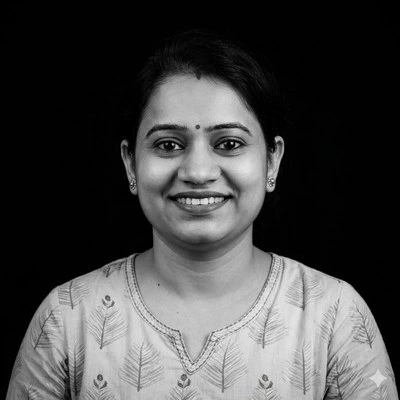
Renu Maharshi
Head of Business Development
Renu has 10+ years in corporate business development helping Jaipur businesses across IT, finance, and corporate plan offices that genuinely work for their teams. At Urban Office - with 300+ completed projects across Jaipur, Ajmer, Alwar, and Sikar, she is the first person you speak to, and the one who makes sure the process is easy from day one.
📞 +91 9782430008 | Read full profile | Connect on LinkedIn